
Defining / Re-Defining Zero-Party Data
TL;DR
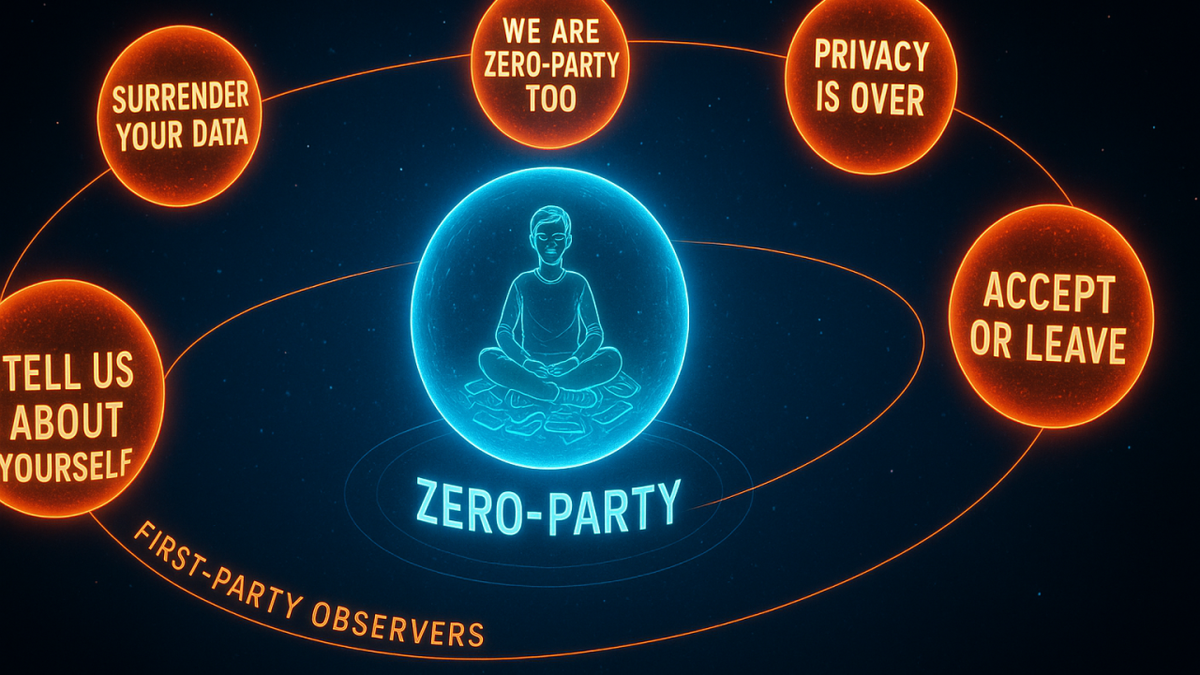
Zero-party data is not first-party data with a nicer opt-in. It is data consumers own, store, and exclusively control. It is never shared. Brands do not collect a copy. At most they get permissioned pull signals. That is the line Qadabra draws with YouData, and it is the only definition that keeps "zero" meaningful.
The word is being watered down
The term "zero-party data" has been making its way around adtech circles with promises of a privacy-first future and opt-in permission for marketers to better "know" their customers.
In most current conversations, zero is misapplied as a fuzzy label for what is really just first-party data with a little extra opt-in.
This is not just sloppy terminology. It is a missed chance to reshape advertising.
As a company building an entirely new category of data, Qadabra has to speak up early and often: zero-party data is very different. It is data that consumers own, store, hoard, and exclusively control. It is never shared.
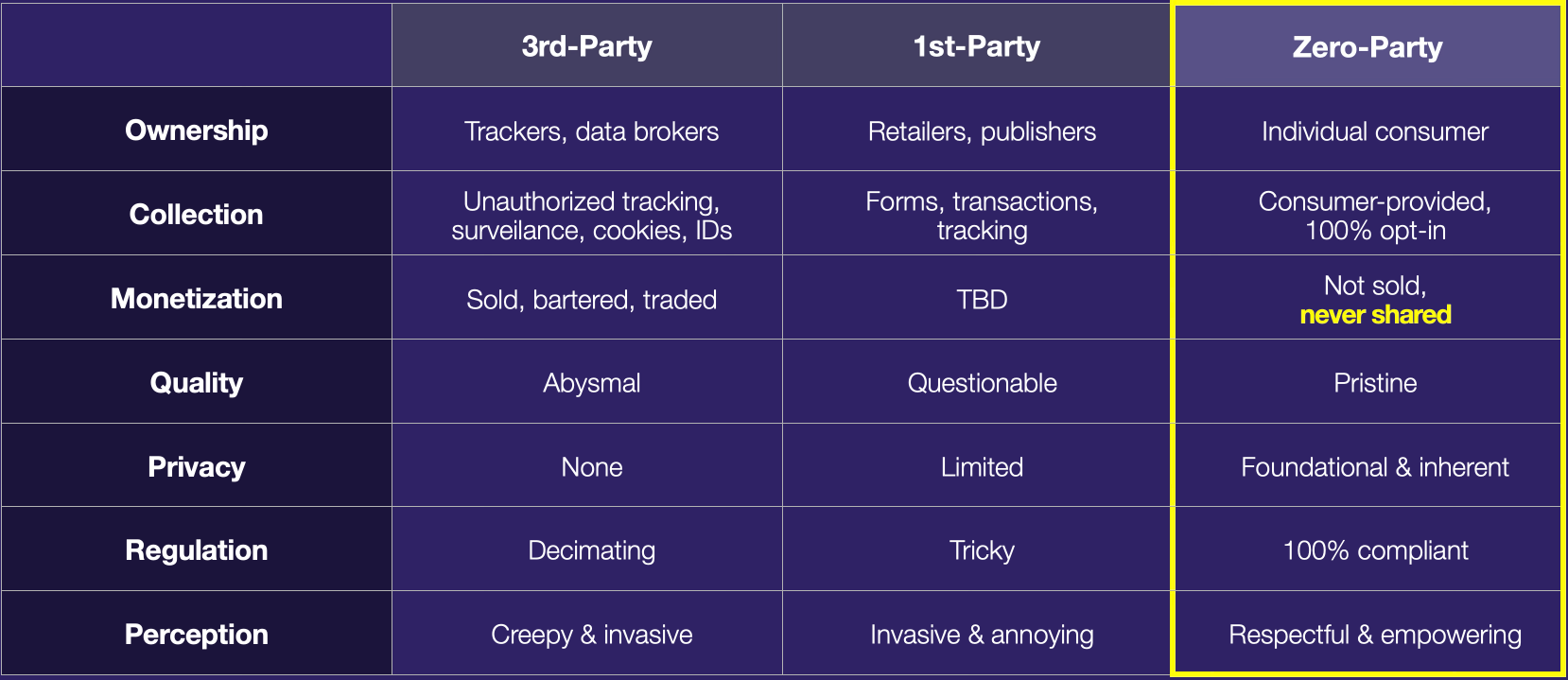
Zero-party vs. first-party: a clear divide
Blurring zero-party data with first-party data is a critical error.
First-party data is data collected directly by an organization from its own audience (customers, users, site visitors, subscribers). The "first party" is the collector, because they are in a direct relationship with the source. Deep first-party data, like survey answers or loyalty details, even when collected with consent, is still owned and stored by brands in CRMs or databases, subject to their control, security risks, and often outdated consent.
Zero-party data, in contrast, is not collected at all by any party other than the source. It lives in the consumer's individual private digital vault, never copied or shared. It is hoarded and guarded. That consumer-controlled model ensures privacy, delivers fresher insights, and avoids the pitfalls of centralized data systems.
At the consumer's discretion, it can be put to work, for instance to anonymously signal preferences that pull relevant content and ads, but always without revealing the underlying data.
Why it matters now
Privacy laws like GDPR and CCPA enforce strict consent rules. A 2023 Pew survey showed 67% of consumers distrust brands' data handling. Third-party cookies are vanishing, mobile identifiers face restrictions, and first-party data struggles with transparency demands. Centralized systems, where brands hoard data, are faltering.
More importantly, zero-party data stands to be the first data paradigm that truly works for everyone. We are now in the first technological era where a true zero-party paradigm can be fully realized, delivering unmatched precision and privacy. This is the industry's shot to get it right. It must not be squandered by watering the concept down with old terminology, misuse, or confusion.
Zero means zero
The moment data is shared, by definition it is no longer zero-party. Qadabra is building YouData on three principles:
- Consumer ownership. Data resides in the consumer's private profile. It may be hosted by a custodial party on the consumer's behalf, but it is never stored by brands or non-custodial third parties.
- Pull enablement. Data can optionally be used to attract tailored content, connections, and ads, without ever sharing raw data.
- Explicit consent. Every interaction requires explicit, real-time permission. No tracking. No inferring or guessing. Data is there because the consumer put it there.
This model flips old adtech's script. Instead of brands storing data on consumers, consumers store data on brands. Instead of marketers extracting data and tracking people for ads, consumers tag themselves and build private profiles that can pull relevant information and experiences. That is a stark difference from today's push models.
A runner's profile might have a tag that signals a preference for trail shoes, drawing a relevant ad without exposing their full data.
Side note: targeted attention, not data, is the ultimate goal anyway. Data is just the tool. Deeper dive to come.
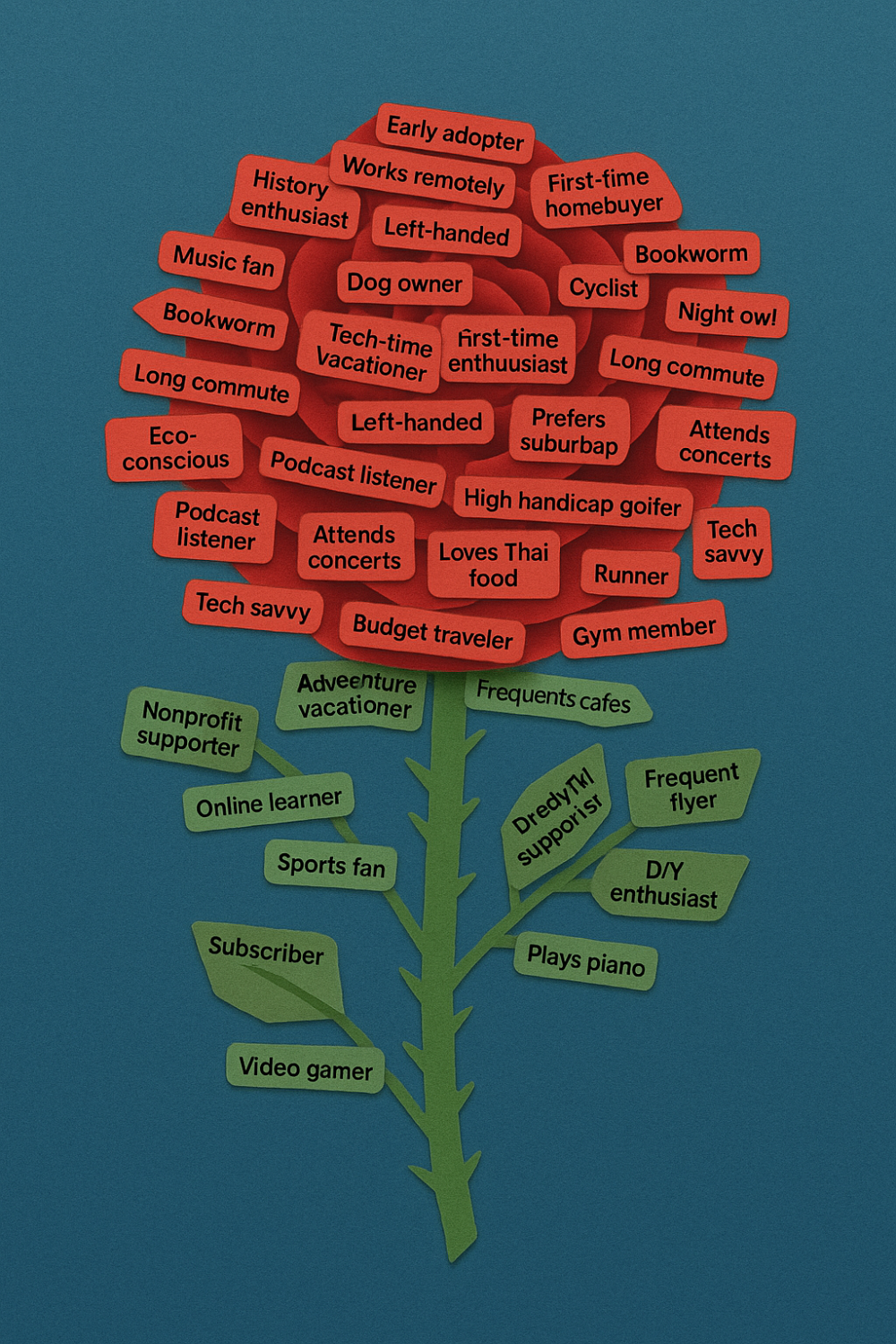
A rose by any other name would not smell zero.
The payoff: trust, precision, and compliance
Zero-party data inherently protects consumer privacy and aligns with a zero-trust philosophy where trust becomes unnecessary. No data is shared, so there is nothing to rely on brand assurances for.
Consumers receive relevant, real-time ads, not stale spam. Marketers benefit from accurate, consumer-updated signals, boosting results without owning sensitive data. A retailer targeting holiday gift preferences via private profiles gets precise delivery without GDPR and CCPA copy risk.
This pull-based model creates mutual value: consumers opt into meaningful interactions, and marketers reach engaged audiences with zero privacy overhead. No full-time compliance theater required.
A zero-driven future
"Zero-party" is not just jargon. It is a chance to redefine how advertising works. Mistaking it for first-party data, even with consent, clings to a failing, data-obsessed model.
Consumer-owned approaches chart a better path: precision for marketers, true agency for consumers, and alignment with regulation. As privacy demands grow and tracking crumbles, the industry must choose: stick with surveillance and centralized systems that keep failing, or give up the obsession with holding consumer data and fully embrace consumer control.
The future adds up to zero.
Own your data. That is the YouData line in Qadabra's stack.