
The Decentralization Imperative: The Inevitable Rise of Zero-Party Data
TL;DR
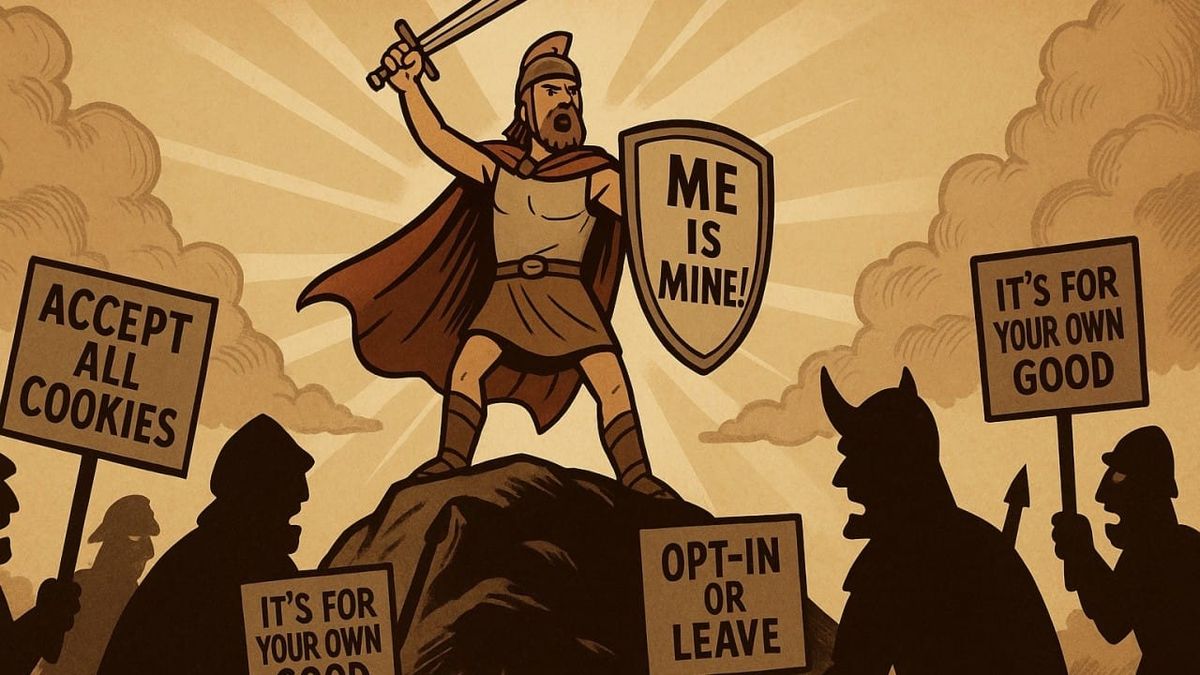
Technology always moves power from gatekeepers to the edges. Consumer data is next. Zero-party data keeps information in the consumer's vault and lets brands run permissioned queries, not hold copies. That is inevitable, not optional. Qadabra builds for that future with YouData.
Introduction: the inevitable shift to the edges
Technology has a predictable arc. It starts centralized, controlled by gatekeepers, then spreads outward to the edges and empowers individuals.
Mainframes gave way to personal laptops. Publishing houses lost ground to blogging and creator media. Record labels watched bedroom musicians build global audiences through streaming.
This pattern is not a quirk of history. It is the natural trajectory of innovation. Today the arc bends toward data itself, especially in marketing and advertising. Consumers, not brands, are poised to finally hold the keys to their personal information.
The pattern: power to the people
In the 1970s, computing was locked in corporate data centers. The personal computer put processing on desks and in homes. The internet turned publishing into a global conversation. Music followed: artists could bypass traditional gatekeepers and connect directly with listeners.
Technology thrives by reducing friction, lowering barriers, and empowering those at the network's edges. Each wave redistributes control.
In marketing, data is the next frontier. Brands and closed systems have hoarded consumer data in CRMs and ad networks. That model is strained by technical and societal pressure. The future is pushing data control outward, to consumers themselves.
The challenges of centralized data
Today's adtech ecosystem faces a perfect storm. Privacy regulations rewrite the rules. Consumers are skeptical. Trust in digital advertising sits at historic lows. Cookies phase out. Mobile identifiers get less reliable. Even authenticated first-party models struggle as people demand transparency.
Centralized collection, where brands or intermediaries own consumer information, is increasingly fragile. First-party data has been a cornerstone of personalization, yet even that model relies on brands holding copies of consumer data, often without clear ongoing consent. Missteps erode trust. Stale data weakens campaigns.
Clinging to centralized control misses the broader trend: consumers want agency, and technology can deliver it.
Zero-party data: control at the edge
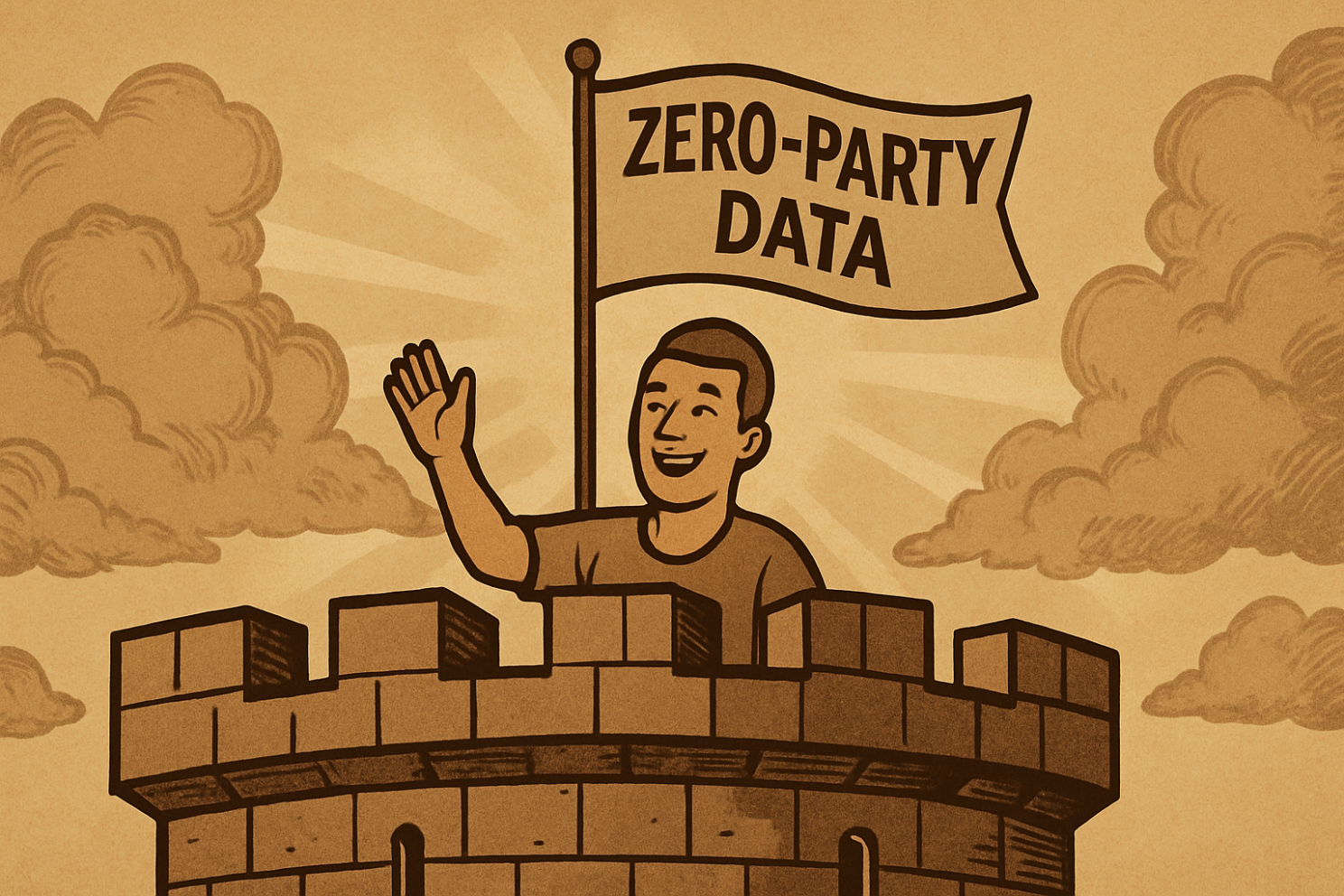
Unlike first-party data, which brands collect and own, zero-party data never leaves the consumer's control. It is not shared, transferred, or stored in a brand's database. Brands access it through permissioned queries.
Think of asking a consumer's digital vault for a specific insight, with consent baked into every interaction. A retailer might ask whether someone prefers eco-friendly products and receive only a yes or no, not the raw data behind it.
Imagine every consumer behind their own walled garden, with a friendly interface that allows controlled interaction with the outside world and marketers.
First-party data lives in a brand CRM, vulnerable to breach or misuse. Zero-party data stays in the consumer's vault. When consumers control their data, they can update it in real time, which makes it more reliable for marketers.
Qadabra is building YouData to make this real: treat zero-party data as a distinct category, not a buzzword for "fancy first-party." Just as PCs empowered users over mainframes, zero-party data empowers consumers over brands.
Implications for marketing: trust and efficiency
For consumers, this restores agency. They decide who accesses their preferences, how, and when. That builds trust.
For marketers, it delivers cleaner signals at the moment of need. A travel brand querying vacation interests gets a precise, consent-driven answer instead of guessing from stale first-party history.
Zero-party data also aligns with regulation and technical reality. Brands never hold the raw data, so breach and copy-risk drop. It offers a resilient alternative as cookies and identifiers crumble. Consent is not an afterthought. It is the foundation of every exchange.
That is not only an ethical pivot. It is a competitive one.
Conclusion: the future is consumer-controlled
The decentralization of data is not a question of if, but when. Marketing must follow the same arc as every other technology wave.
Zero-party data, properly defined and implemented, is the path: consumers own their information, brands get better insights, and trust becomes a cornerstone of digital interactions.
Qadabra sees this as an inevitability, the only viable solution. By championing true zero-party data, where consumers retain full ownership and do not share the underlying data, we are building toward privacy, trust, and relevance that actually hold up.
Will you adapt to a consumer-controlled future, or cling to a centralized past? The arc of technology already answered.